


CENTRALIZED LUBRICATION SYSTEMS
Centralized
Lubrication Systems
Reliable and Efficient Solutions for Centralized Lubrication Systems.
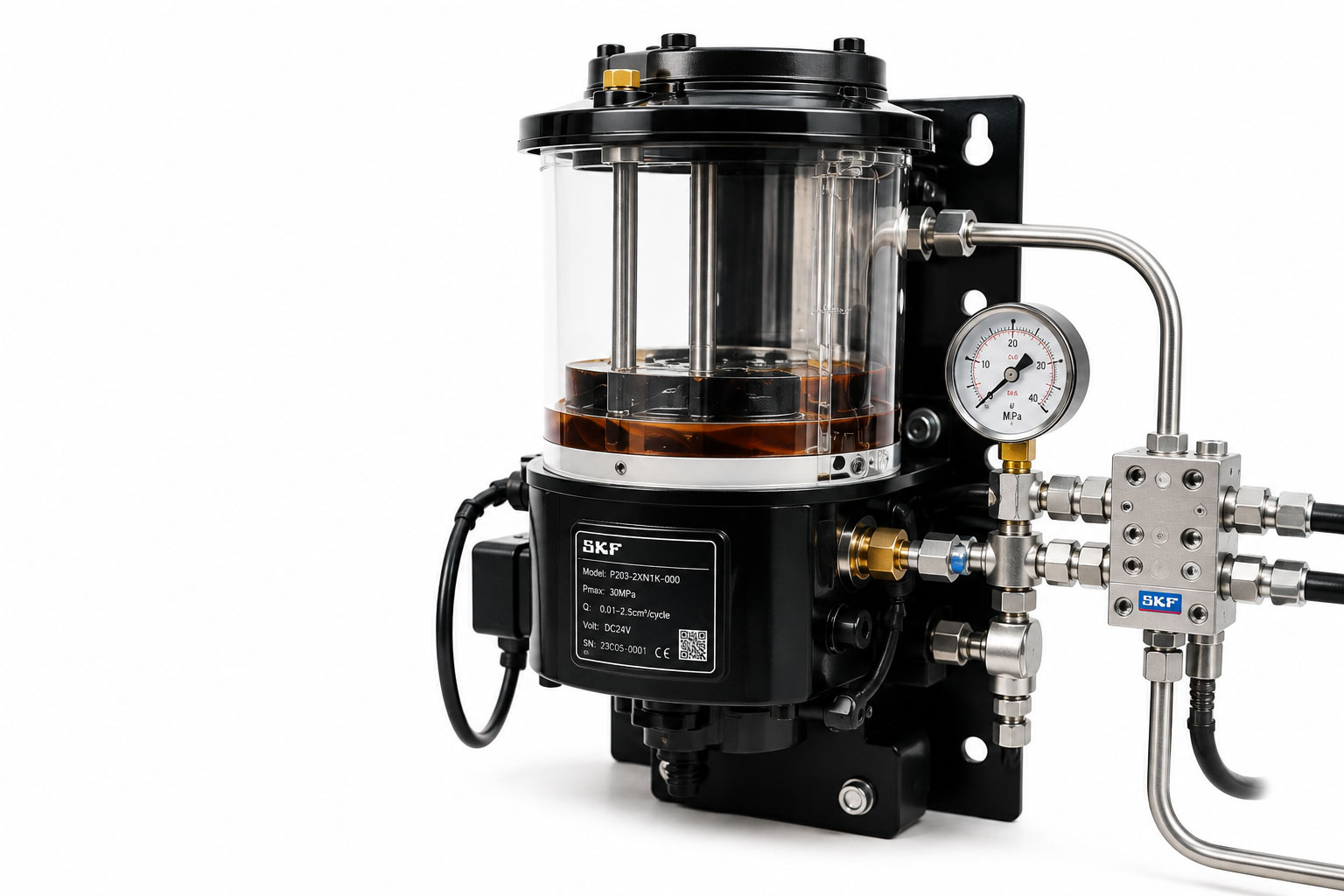
Single-Line Systems
– Primarily designed for medium-sized machines used in industries such as machine tools, printing, textiles, and construction machinery.
– Its modular design allows the system configuration to be adapted at any time.
– Lubricant quantities ranging from 0.01 to 2.5 cm³ are delivered to lubrication points with each lubrication cycle.
– Designed for oils, semi-fluid greases, and hard greases in the NLGI 000–2 consistency range.

Progressive Systems
– Designed for small and medium-sized machines. These systems are used in applications such as printing machines, construction machinery, industrial presses, and wind turbines.
– Suitable for oils, semi-fluid greases, and hard greases up to NLGI Grade 2.
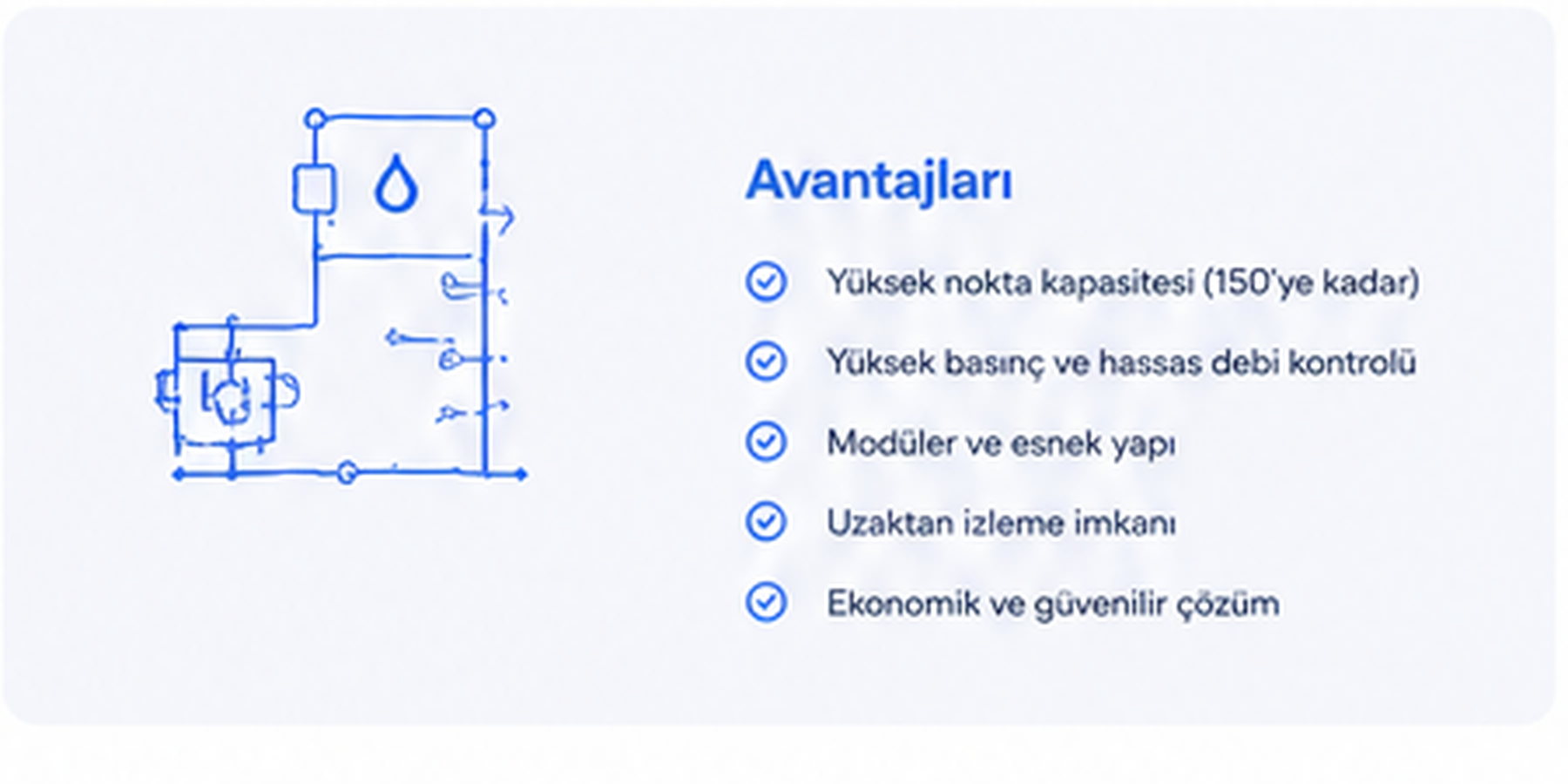
– Designed to lubricate up to 150 points using grease or oil.
– By using parallel flow restrictors (limiters), these systems can lubricate up to 1,000 points, and even more when using liquid oil.
– Include monoblock, segmented, or modular distributors with 2 to 20 outlets, operating at flow rates of 0.01–6 cm³/min and high pressures of up to 300 bar.
– Provide centralized function monitoring via a simple indicator or piston detector.
– Economical and reliable.
Air-Oil Systems
– Primarily developed for high-speed bearings, chains, and special applications in the iron and steel industry.
– This application does not generate oil mist and therefore does not cause environmental pollution.
– The most common applications include the economical lubrication of high-speed bearings, machine tool spindle bearings, and bearings in enclosed gearboxes.
– Continuously supplying the system with fresh oil in precise quantities, while maintaining positive air pressure, protects the bearings against external contaminants.
Application Examples
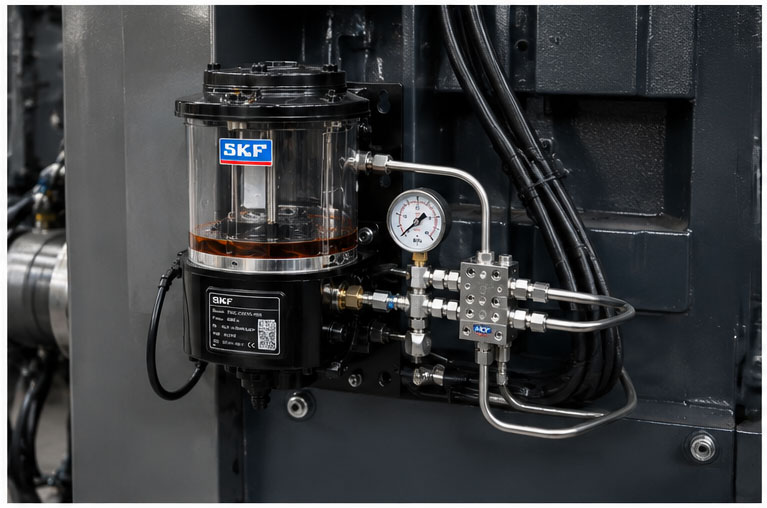
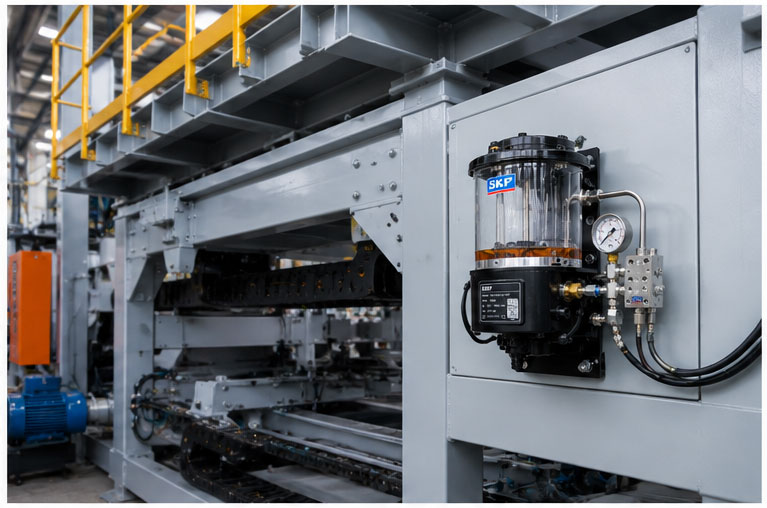
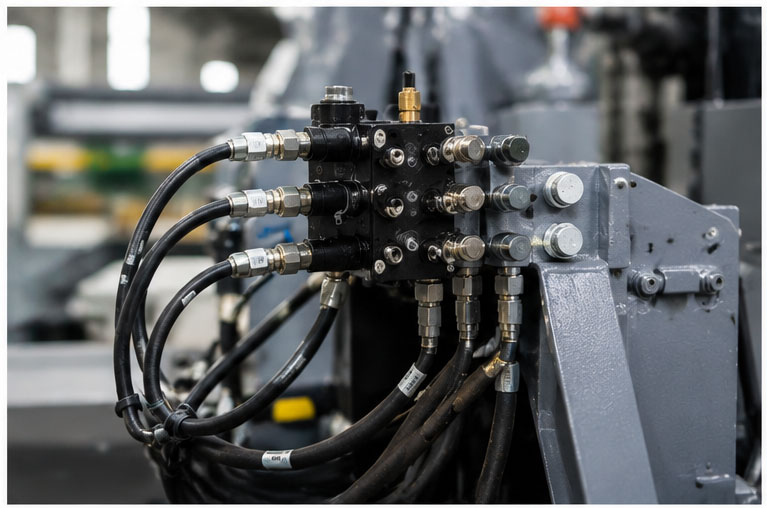
Circulation Systems
– Circulation lubrication systems clean bearings and gearboxes during 24/7 cooling operations.
– They capture foreign particles at friction points and supply conditioned, clean oil to bearings and gearboxes.
– Offer application-specific solutions with a wide range of flow meter options.
– Enable state-of-the-art monitoring and digitization of lubricant flow.
Oil Lubrication Systems
– Suitable for liquid oils and fluid greases.
– Easy to understand, install, and maintain.
– Delivers consistent lubrication over long distances and across a wide temperature range.
– Minimizes downtime caused by insufficient lubrication.
– Optimizes lubricant consumption.
– Improves worker safety.
Manual Lubrication Equipment
– Lower cost compared to automatic lubrication systems.
– Lubrication is performed manually and depends on human intervention.
– Lubricant is applied by designated personnel using manual lubrication equipment.
– An economical solution.
– Relies on manual labor.
– More susceptible to human error and negligence than automatic systems.
– Lubricating hard-to-reach points can be challenging and may require equipment or production downtime.
Single-Point Lubricators
– Automatic lubrication improves workplace safety and maintenance efficiency.
– Enhances machine operational reliability.
– An easy-to-install and scalable solution.
– All lubricators can be monitored and controlled from a single point via an online platform.
– Reduces the frequency of inspections at lubrication points in the field.
– Optimizes logistics by providing an overview of lubricant dispensers’ idle times.